
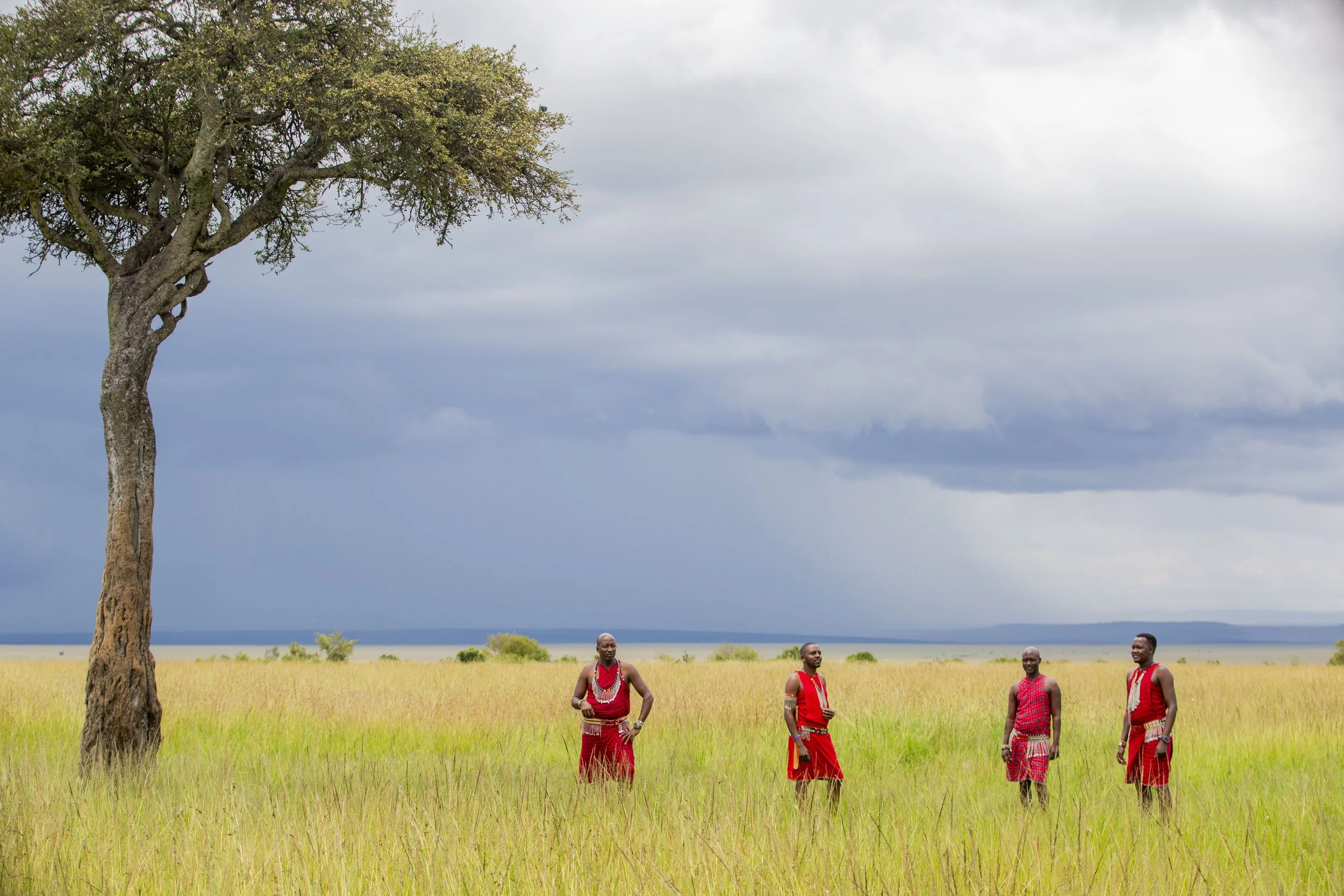
Mara Bushtops: Visiting Private Conservancy Luxury
Leanne shares her notes on her recent visit to Mara Bushtops with the fam trip earlier this year.
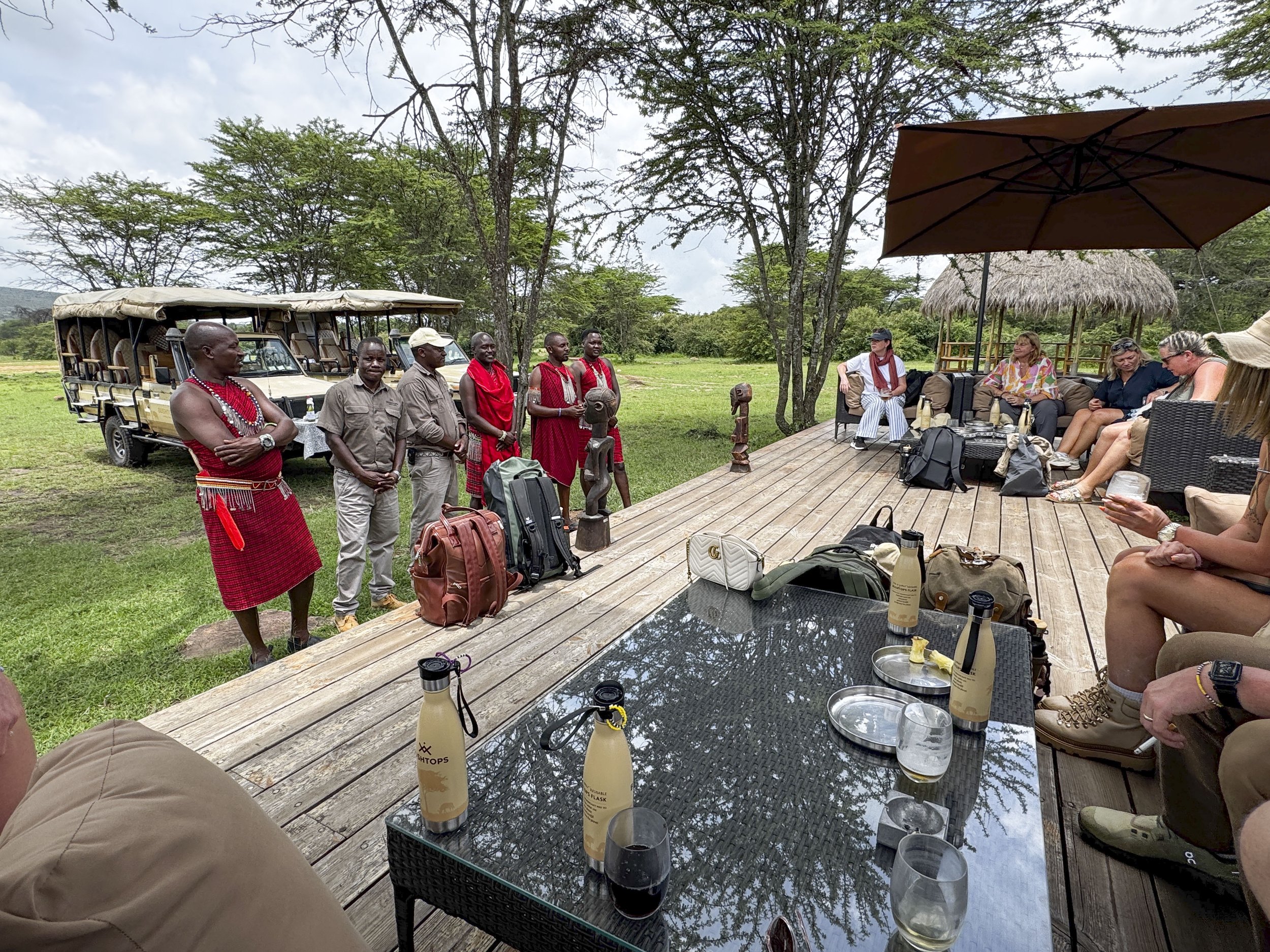
Siana Airstrip welcome set up
For the final stop on the Kenya Trilogy Fam Trip earlier this year, the group ended their journey in complete luxury and calm of the Isaaten Private Conservancy. Leanne shares her stay with us.
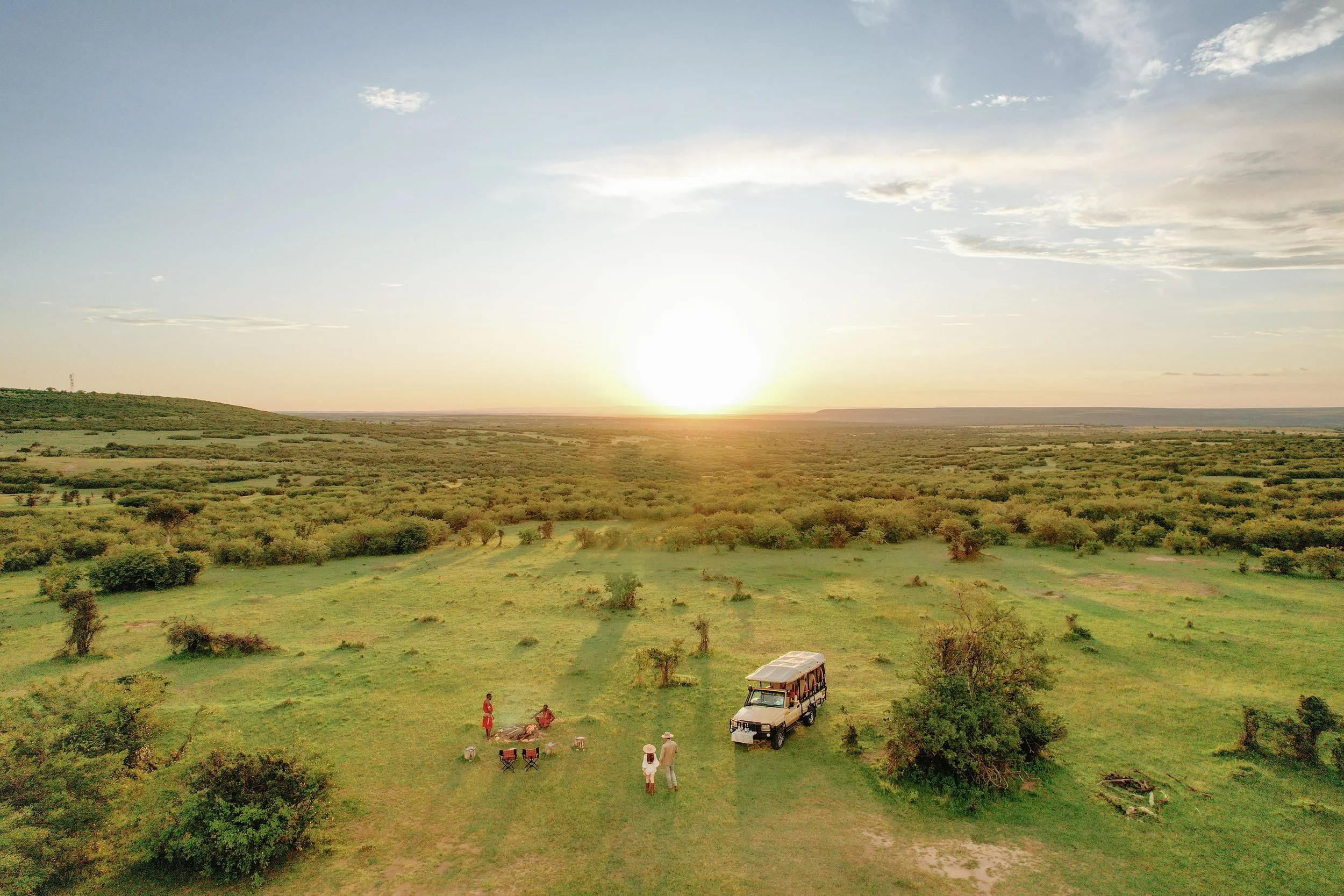
Beautiful Mara - From even before we arrived - the experience felt elevated - landing at Siana Airstrip to a beautifully set‑up tent with sofas, drinks, snacks and spotless facilities. Three vehicles were allocated to the group, each with a driver and spotter, and the drive to camp doubled as a game drive.
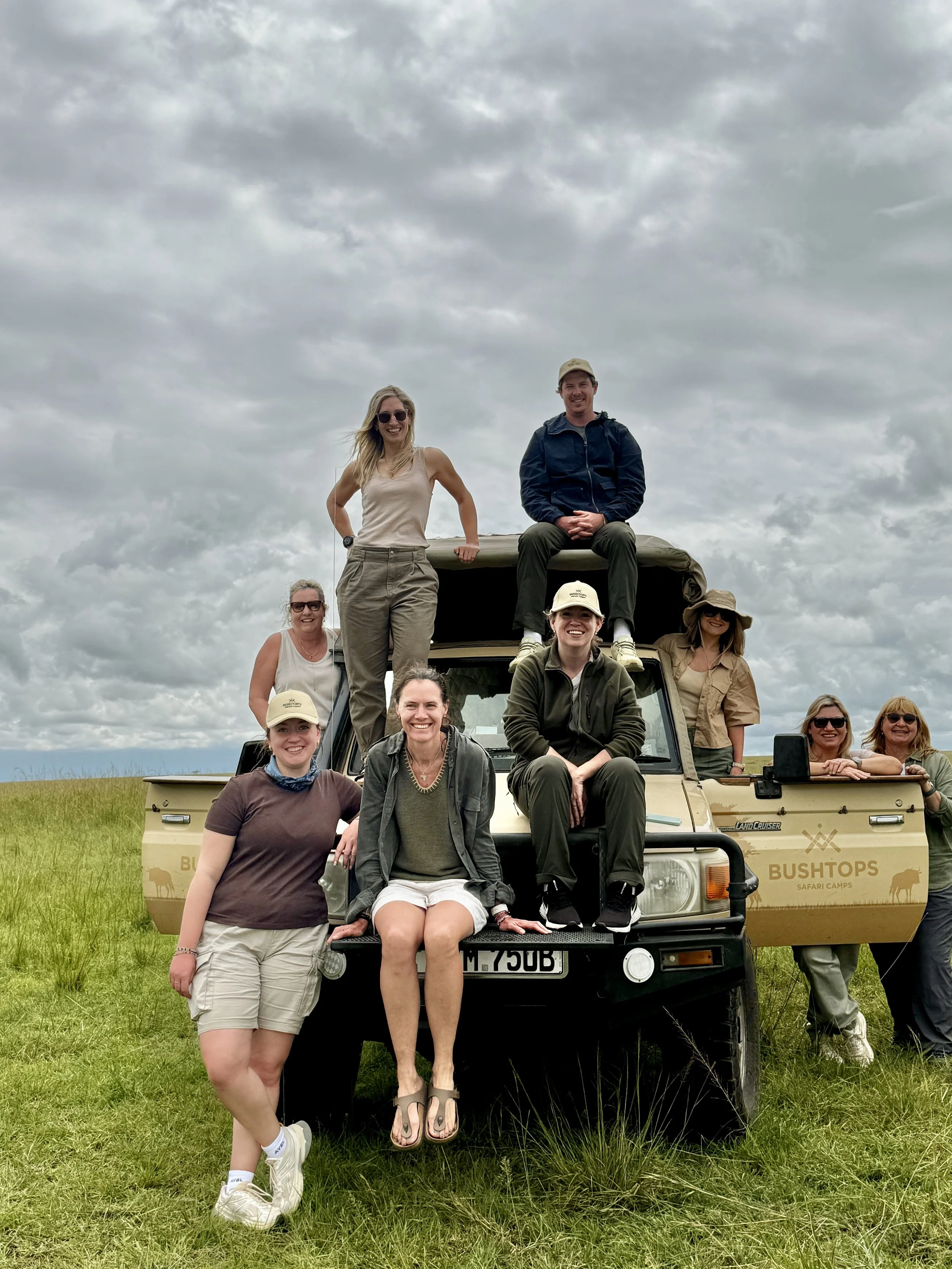
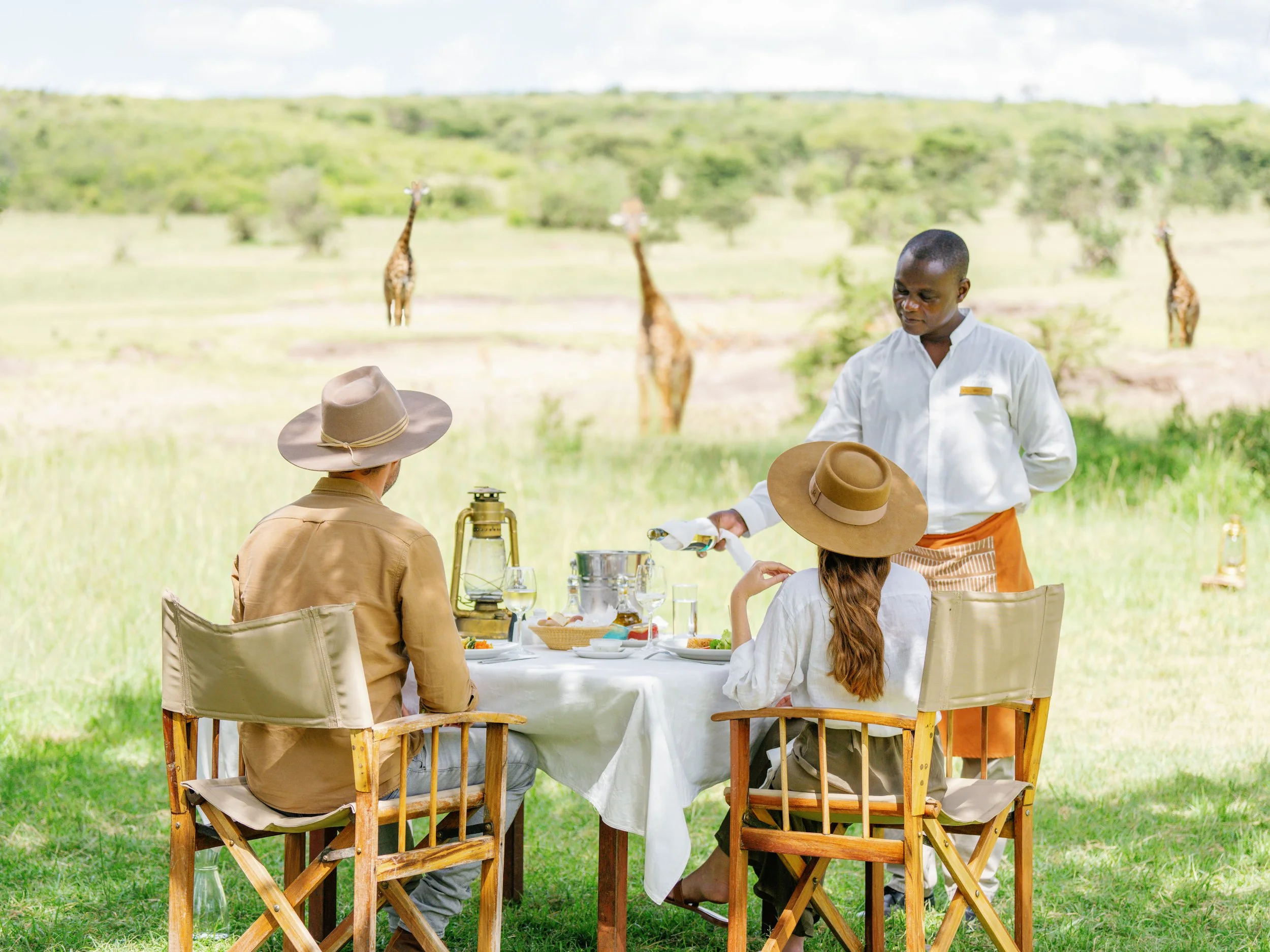
The lodge feels more established than its Serengeti counterpart. Tents are closer together, but the views remain wide and open. The salt lick is a focal point, drawing wildlife throughout the day. Lawrence welcomed us with champagne and snacks, and lunch under the tree overlooking the salt lick — complete with a live camera feed — was a fun touch that the group loved.
A tour of the garden with Alfred was wonderful. His pride in the mangoes, pawpaws and granadilla vines was great to witness, and the garden itself was neat, colourful and beautifully maintained.
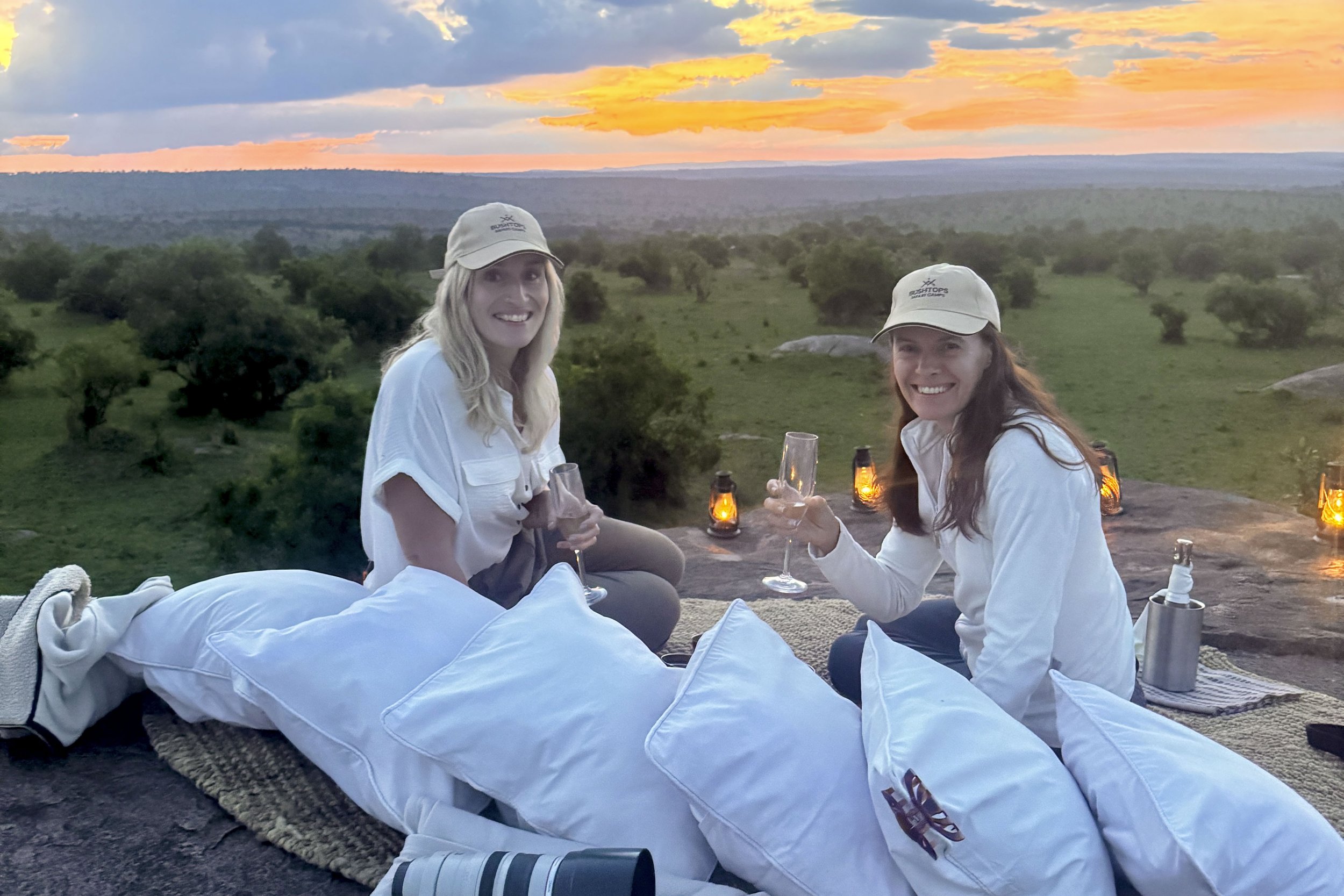
Despite heavy rains and a few change in plans, the wildlife delivered. The conservancy is rich in giraffe and zebra thanks to its trees, while the Mara Reserve offered classic big‑game viewing. The guiding team was exceptional — knowledgeable, intuitive and calm. Rain prevented a night drive, but sundowners with Maasai dancers overlooking camp were a highlight before the weather turned.
Food at Mara Bushtops was generous and varied. The “Tastes of Home” menu offered comfort, while the main menu provided an extensive restaurant‑style selection. The group loved the choice. Snacks on drives — especially the nuts — were a hit.
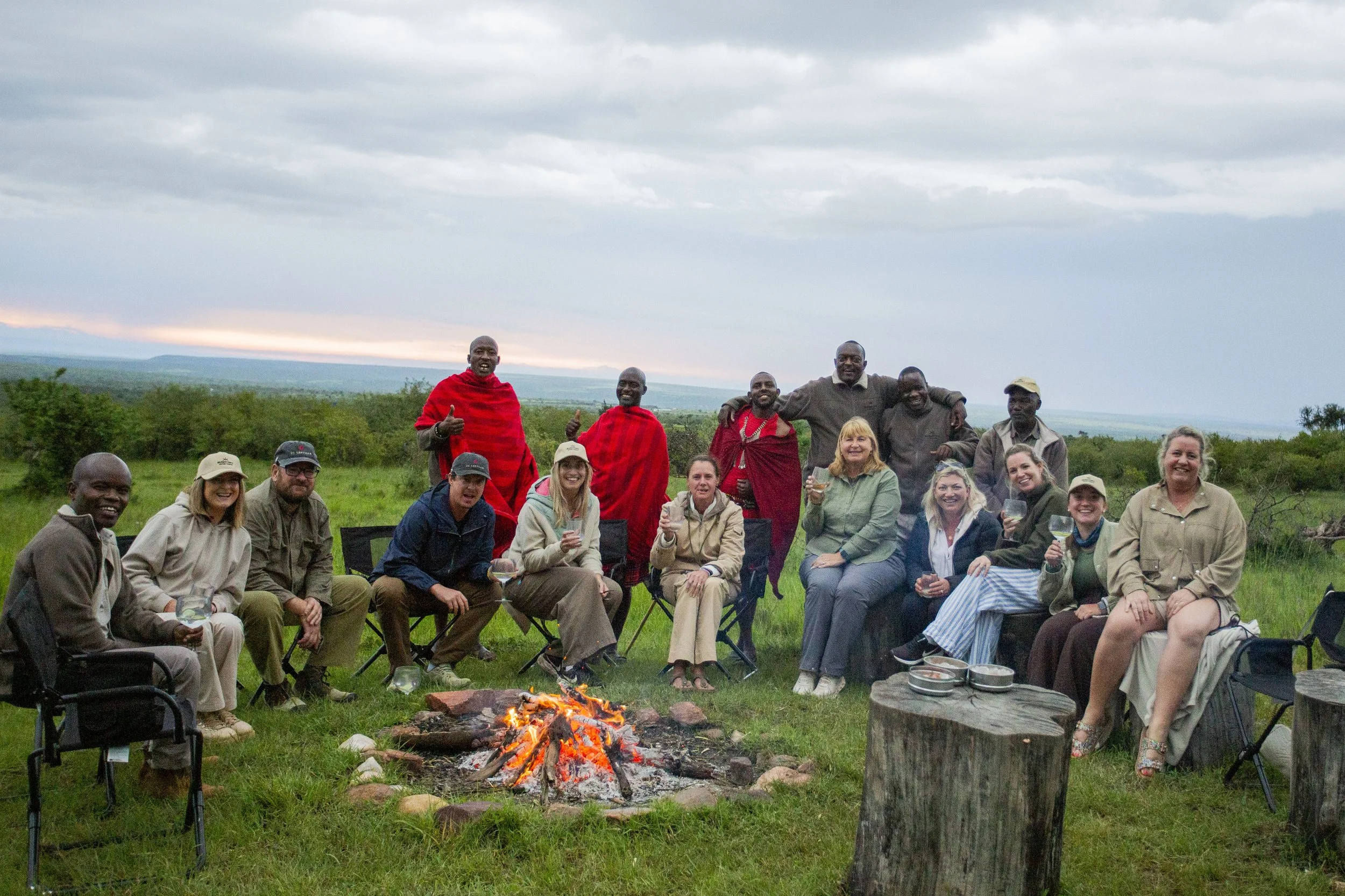
The spa was a welcome retreat. A quick facial proved excellent, and drinks at the spa on the final night were memorable, with Orion constellation lights shimmering in the pool before the rain returned once again.
Isaaten Conservancy works well as a base. It offers privacy, greenery, and the option to walk or drive within the conservancy. With strong lion activity, a resident leopard and plenty of plains game, it compliments the Mara Reserve perfectly. One full day in the reserve is often enough during peak season.
Claudia and Andy joining us for dinner on the final night added a personal touch to the stay.
Accommodation was luxurious, comfortable and well‑appointed.
Mara Bushtops delivered a refined, wildlife‑rich end to the journey, balancing luxury with a strong sense of place.
When Is the Best Time to Visit the Serengeti and Masai Mara?
Bushtops Safari Camps share some valuable insights with us as they discuss ‘when is the best time to visit the Mara & Serengeti?’
As Bushtops celebrates its 20th anniversary this year, they share some of their valued reflections from the hundreds of conversations they’ve had with guests over the past two decades.
Without question, the one question that Bushtops has been asked more than any other is:
“When is the best time to visit?”
- Written by Bushtops Safari Camps
Their answer may surprise you.
There is no bad time.
The better question is:
“What do you want to experience?”
The Serengeti-Mara ecosystem is one of the most extraordinary wildlife destinations on Earth, and every season offers something unique. The ideal time to visit depends entirely on your priorities, expectations, interests and budget.
Let’s Start with the Biggest Misunderstanding
Many guests tell us they want to visit “during the migration.”
The reality is that the migration happens all year round.
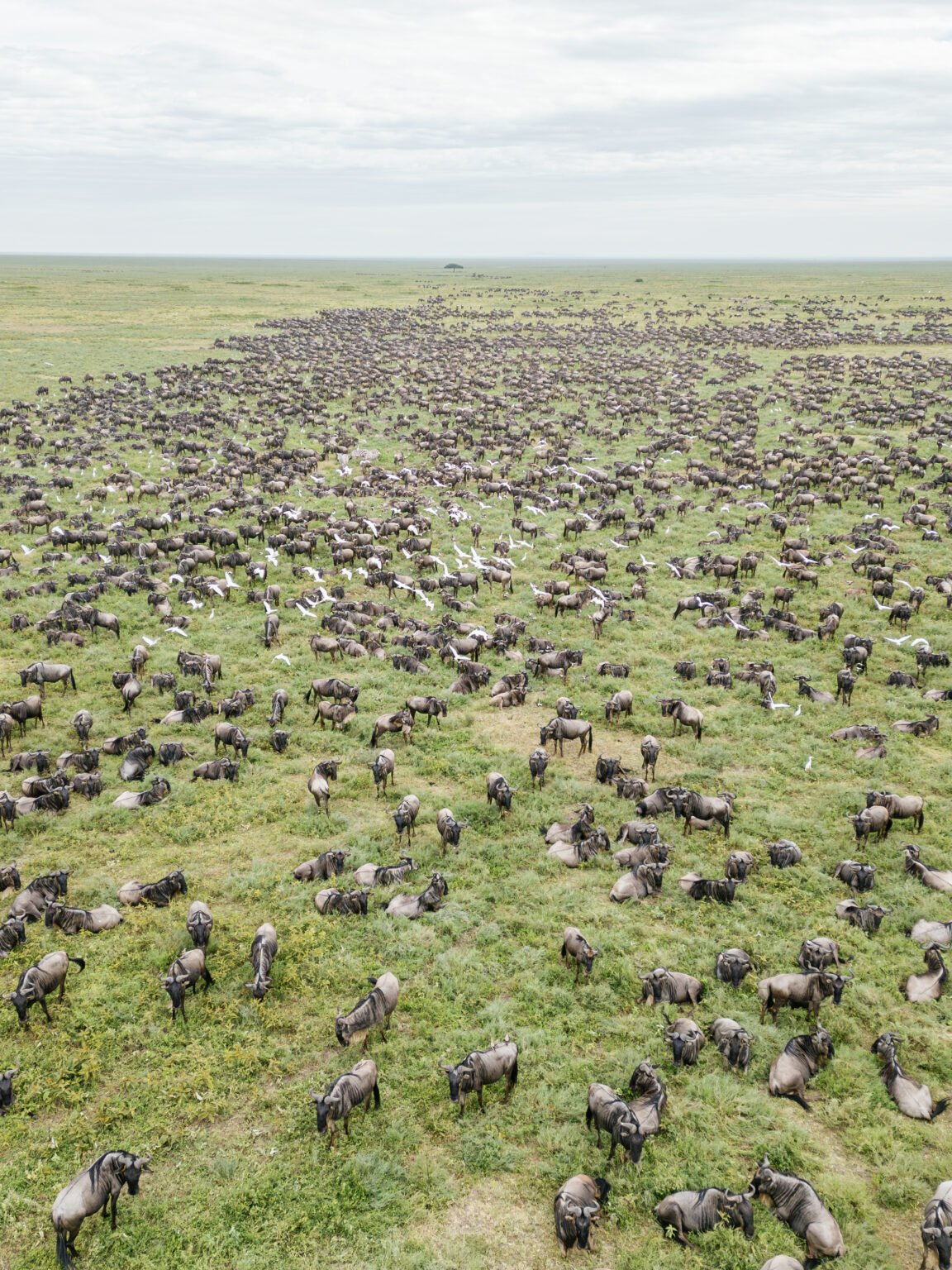
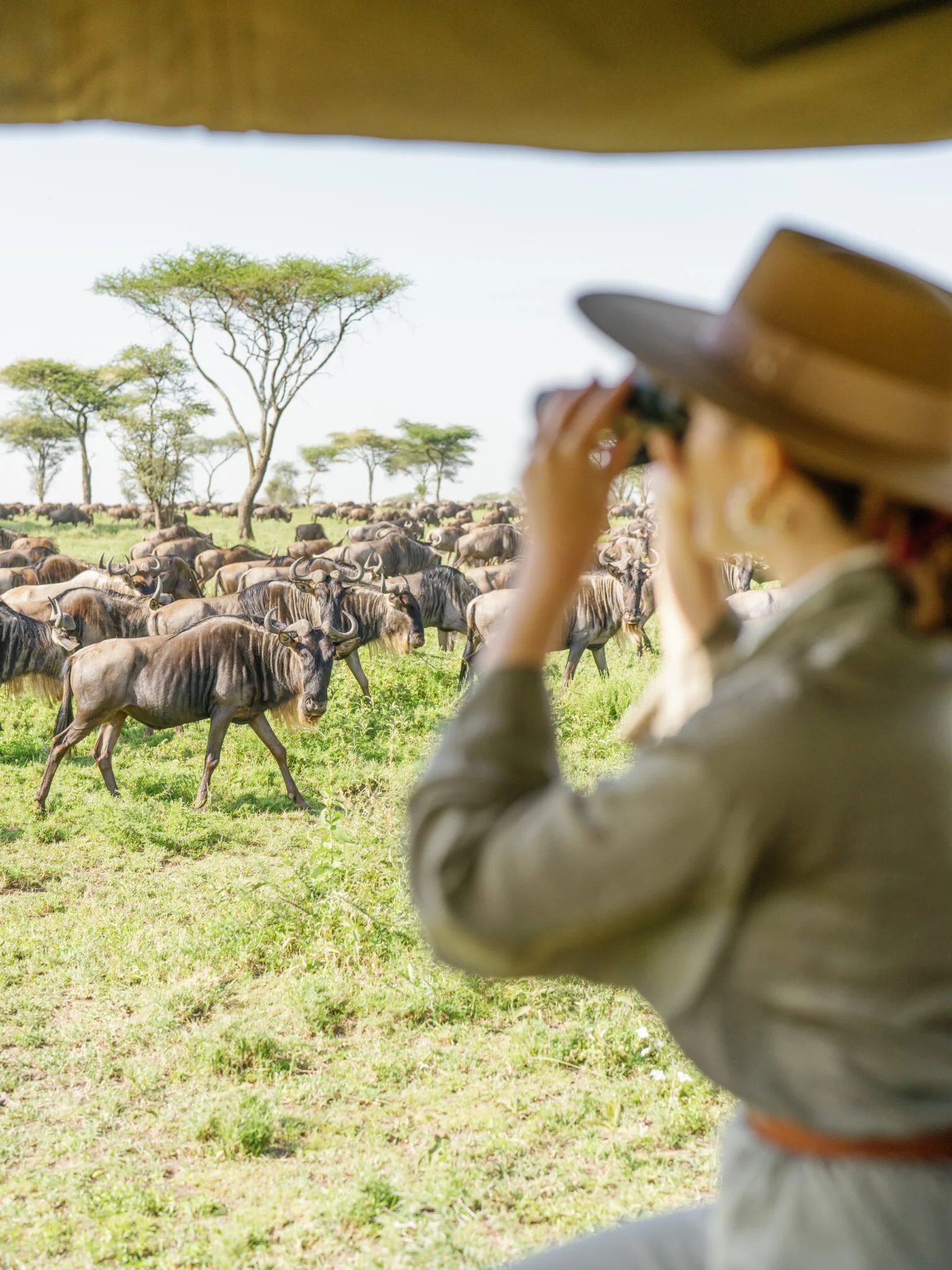
The famous wildebeest migration is a continuous circular movement of animals through the greater Serengeti ecosystem. The herds are always moving, always migrating, and can be found in different regions throughout the year.
What most guests actually mean when they say they want to see “the migration” is that they want to witness the dramatic river crossings.
These crossings typically take place between approximately July and mid-October in the northern Serengeti and the Masai Mara.
Once this distinction is understood, guests can make much more informed decisions about when to travel.
Throughout the rest of the year, enormous herds can be found in the southern Serengeti, central Serengeti, eastern plains and western corridor. The animals are migrating, but instead of crossing rivers, they are moving across vast landscapes in search of fresh grazing.
The spectacle remains extraordinary.
What Matters Most to You?
When deciding when to travel, there are several important considerations.
Are River Crossings a Priority?
If witnessing river crossings is at the very top of your wish list, then the period from July to mid-October may well be the ideal time for you.
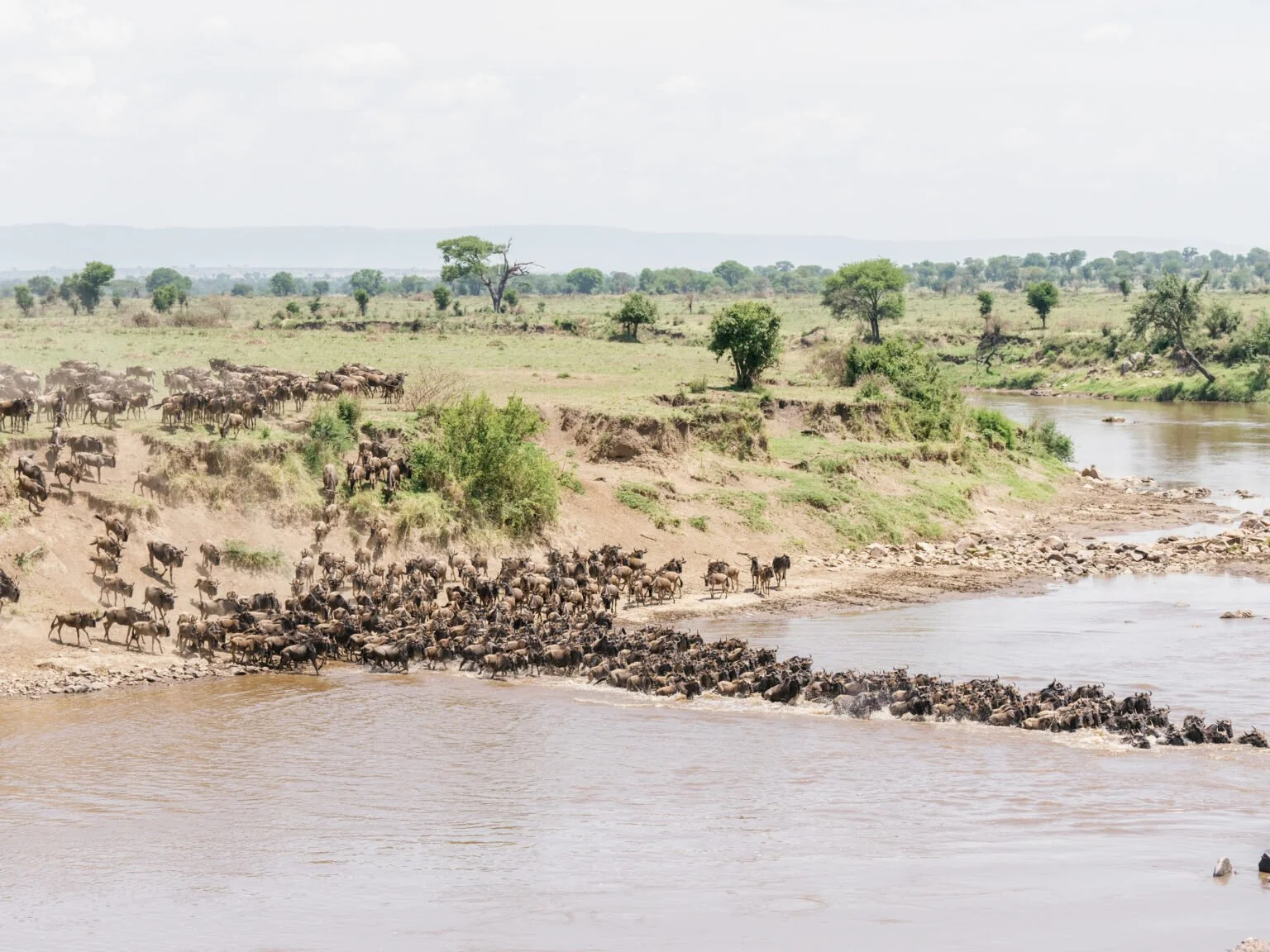
The crossings are dramatic, unpredictable and unforgettable. They are among nature’s greatest spectacles and attract visitors from all over the world. However, it is worth to note that even visiting during the “river crossing period” there are no guarantees of crossings.
Also, it is important to understand that this is the busiest and most expensive time of year.
Are Huge Herds a Priority?
If your dream is simply to see vast numbers of wildebeest and zebra stretching to the horizon, you do not necessarily need to travel during river crossing season.
At various times of year, the southern, central and western regions of the Serengeti can offer astonishing concentrations of wildlife, often with far fewer vehicles around.
Is Calving Season a Priority?
January and February bring one of the most remarkable periods in the migration cycle.
The southern Serengeti becomes a nursery as hundreds of thousands of wildebeest calves are born within a relatively short period.
The abundance of newborn animals also attracts predators, creating exceptional wildlife viewing opportunities and some of the most rewarding photographic experiences of the year.
Is Seeing the Big Five Your Priority?
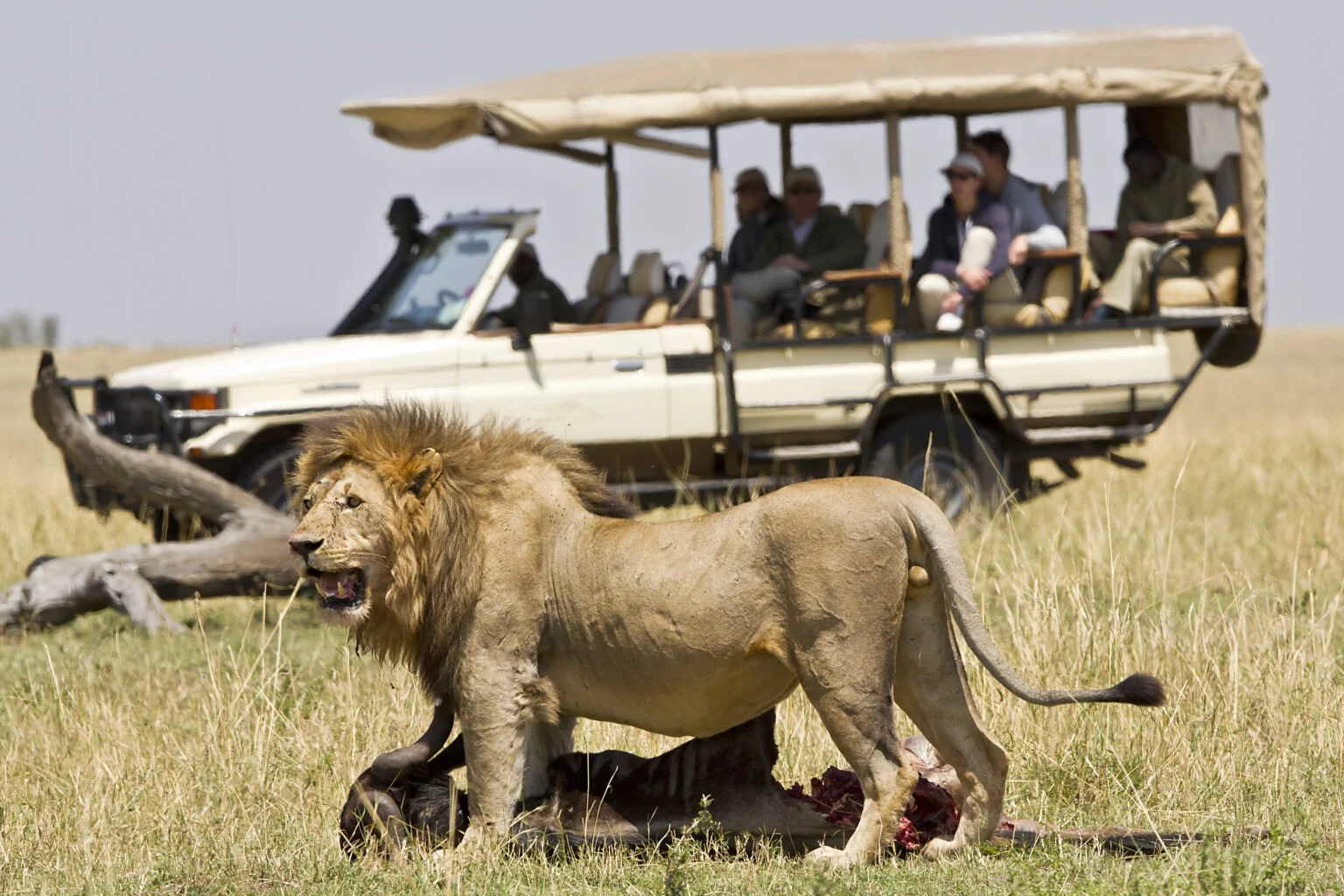
For many first-time safari travellers, the migration and river crossings are not actually the primary goal at all.
Many guests simply want to experience Africa’s iconic wildlife and tick the Big Five off their bucket list.
The good news is that this is very much an all-year-round experience.
Lions, leopards, elephants, buffalo and rhino do not migrate. They are resident species, and exceptional Big Five viewing can be enjoyed throughout the year in both the Masai Mara and Serengeti.
When it comes to concentrated game viewing, the Masai Mara has a distinct advantage. The reserve covers approximately 1,500 square kilometres, while the Serengeti ecosystem spans close to 30,000 square kilometres. In other words, the Masai Mara could fit into the Serengeti around twenty times.
Because wildlife is distributed across a much smaller area, game sightings in the Mara can often feel more concentrated. Guests frequently remark on the sheer abundance of animals they encounter during a relatively short game drive.
The Serengeti offers something different.
Its immense scale creates a sense of wilderness that is difficult to describe until you have experienced it. Endless plains stretch towards the horizon, punctuated by acacia trees and the famous granite kopjes that rise dramatically from the grasslands.
There is a grandeur to the Serengeti that stays with you long after your safari has ended.
While the Mara may offer more concentrated wildlife viewing, the Serengeti delivers some of Africa’s most unforgettable landscapes. The vast open plains, dotted horizons and ancient kopjes are among the world’s great natural spectacles and, in my view, should be on everyone’s travel bucket list at least once in their lifetime.
For those fortunate enough to visit both, the combination is hard to beat: the concentrated wildlife encounters of the Masai Mara paired with the breathtaking scale and scenery of the Serengeti.
Is Privacy a Priority?
This is a consideration that is becoming increasingly important for many travellers.
During the river crossing season, visitor numbers are at their highest. The wildlife viewing is exceptional, but there can also be considerable vehicle traffic in certain areas.
Outside this peak period, a different kind of magic emerges.
The parks feel more spacious. The pace slows. There is a sense of exclusivity that many experienced safari travellers come to treasure.
How wonderful is it to drive through the Serengeti or Masai Mara and not encounter another vehicle for extended periods of time?
Personally, I believe that travelling outside the traditional river crossing season may well become the next big trend in safari travel.
Budget Matters Too
One of the most practical considerations is cost.
Travelling outside the river crossing season is often considerably more affordable.
Guests can benefit from lower seasonal rates, attractive special offers and greater availability.
In many cases, travellers are able to enjoy longer stays, combine multiple destinations or upgrade their accommodation while staying within the same budget.
The value can be exceptional.
The Best of Both Worlds at Mara Bushtops
For guests visiting Mara Bushtops during the river crossing season, there is another important advantage.
Guests can experience the excitement and energy of the Masai Mara National Reserve, where the migration action is taking place, while also enjoying the tranquility of our private Isaaten Conservancy.
Unlike many Conservancies, Isaaten is exclusively available to Bushtops guests.
This creates a wonderful contrast: dramatic wildlife encounters in the reserve, followed by peaceful game drives and uninterrupted wilderness experiences in a private conservancy setting where we go off road, can do night game drives and 6 different walking safaris.
For many guests, it truly offers the best of both worlds.
The Salt Lick That Never Sleeps
There is another feature that makes Mara Bushtops unique.
The camp sits directly in front of the largest natural salt lick in the Masai Mara.
The concentration of wildlife throughout the year is simply remarkable.
Elephants, buffalo, zebra, giraffe, antelope and predators all visit the area, creating a constantly changing wildlife theatre visible directly from camp.
We are fortunate to have a live webcam overlooking the salt lick, allowing prospective guests to watch events unfold in real time and even scroll back up to twelve hours to see what they may have missed.
Interestingly, the busiest wildlife activity at the salt lick often occurs between approximately 10 a.m. and 4–5 p.m., precisely when many guests elsewhere might assume the bush has become quiet.
So, When Is the Best Time to Visit?
After twenty years of welcoming guests to Bushtops, my answer remains exactly the same.
There is no bad time to visit.
There is only the right time for you.
Whether your dream is river crossings, enormous herds, calving season, photography, privacy, value for money or simply spending time immersed in one of Africa’s greatest wildernesses, there is a season perfectly suited to your interests.
The key is understanding what experience you want to have.
Once you know that, choosing when to travel becomes wonderfully easy.
And whichever season you choose, the Serengeti and Masai Mara will never disappoint.
What Makes Bushtops the Pinnacle of Safari Experiences
Leanne and Laura share their experience from their recent trip to Tanzania at Bushtops Serengeti.
Leanne and Laura recently returned from a familiarisation trip through Tanzania, where they spent time at Serengeti Bushtops to experience the camp exactly as our guests do. Their reflections from the journey capture the details, surprises, and standout moments that make Bushtops such an exceptional safari experience.
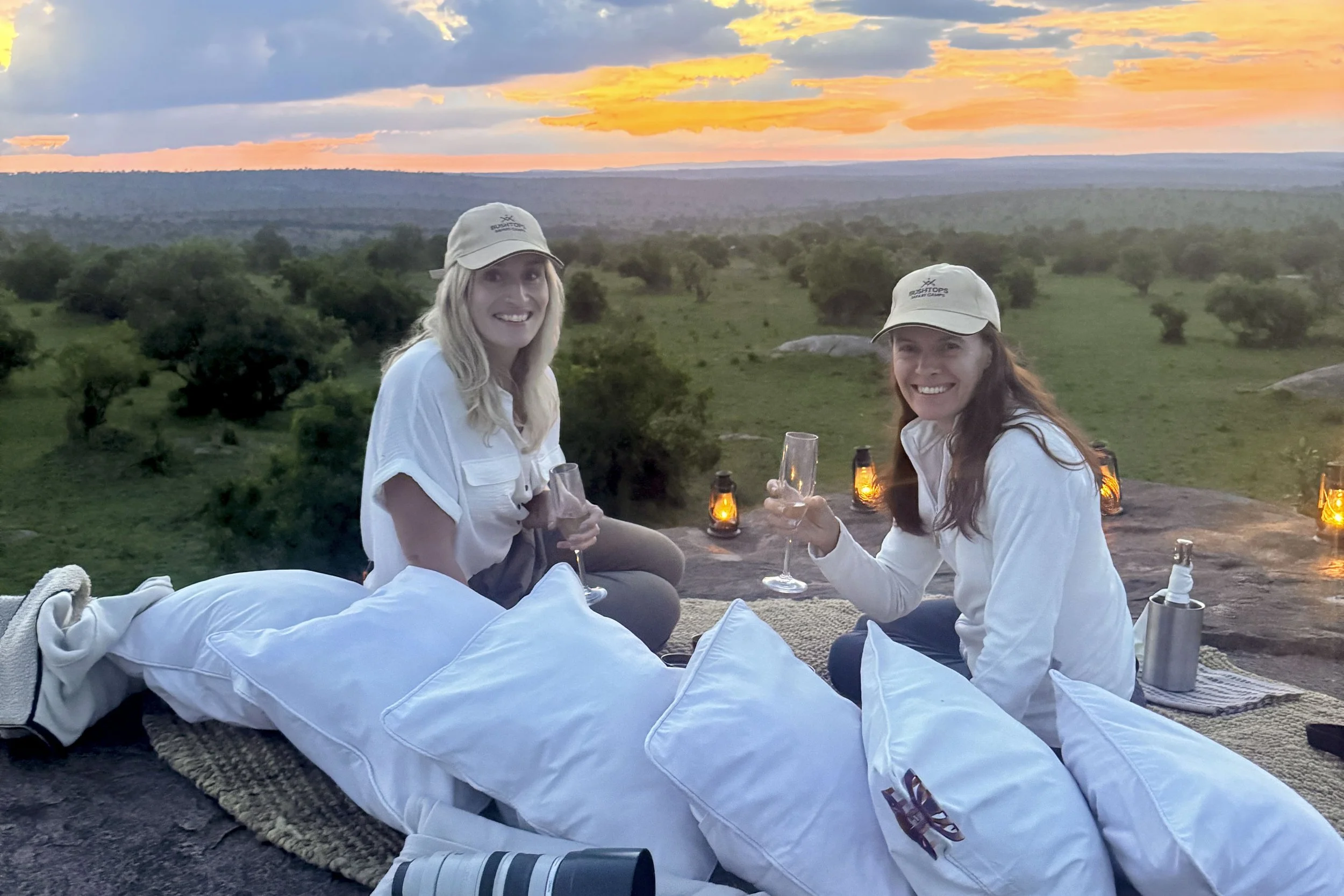
Some safari camps promise luxury. Bushtops simply delivers it—quietly, consistently, and with a level of finesse that feels almost effortless.
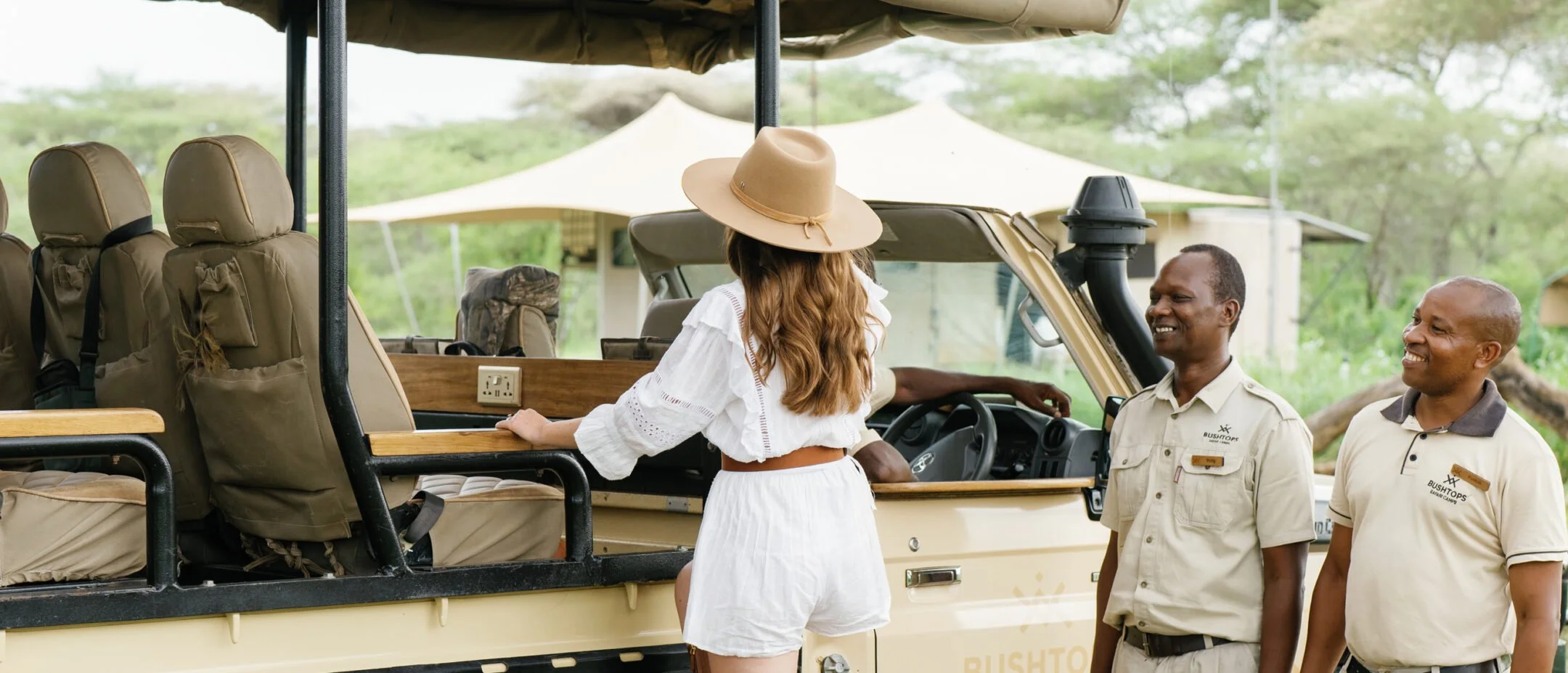
From the moment the team stepped off the plane, it was clear they were in the hands of a camp that has perfected the art of anticipation. Drinks and snacks were waiting at the airstrip while permits were handled. Wet towels, bag tagging, and a seamless welcome unfolded without a hint of fuss. Even the vehicle set the tone: a hard top with soft sides, every item leather‑bound, from bird books to mozzie repellent to binoculars. It was luxury expressed through thoughtfulness, not excess.
Their guide, Deus, grounded the experience with knowledge and calm confidence. He mapped out the Serengeti, listened to what the guests hoped to see, and shaped the drives around their interests. That balance—expertise paired with genuine attentiveness—became a hallmark of the entire stay.
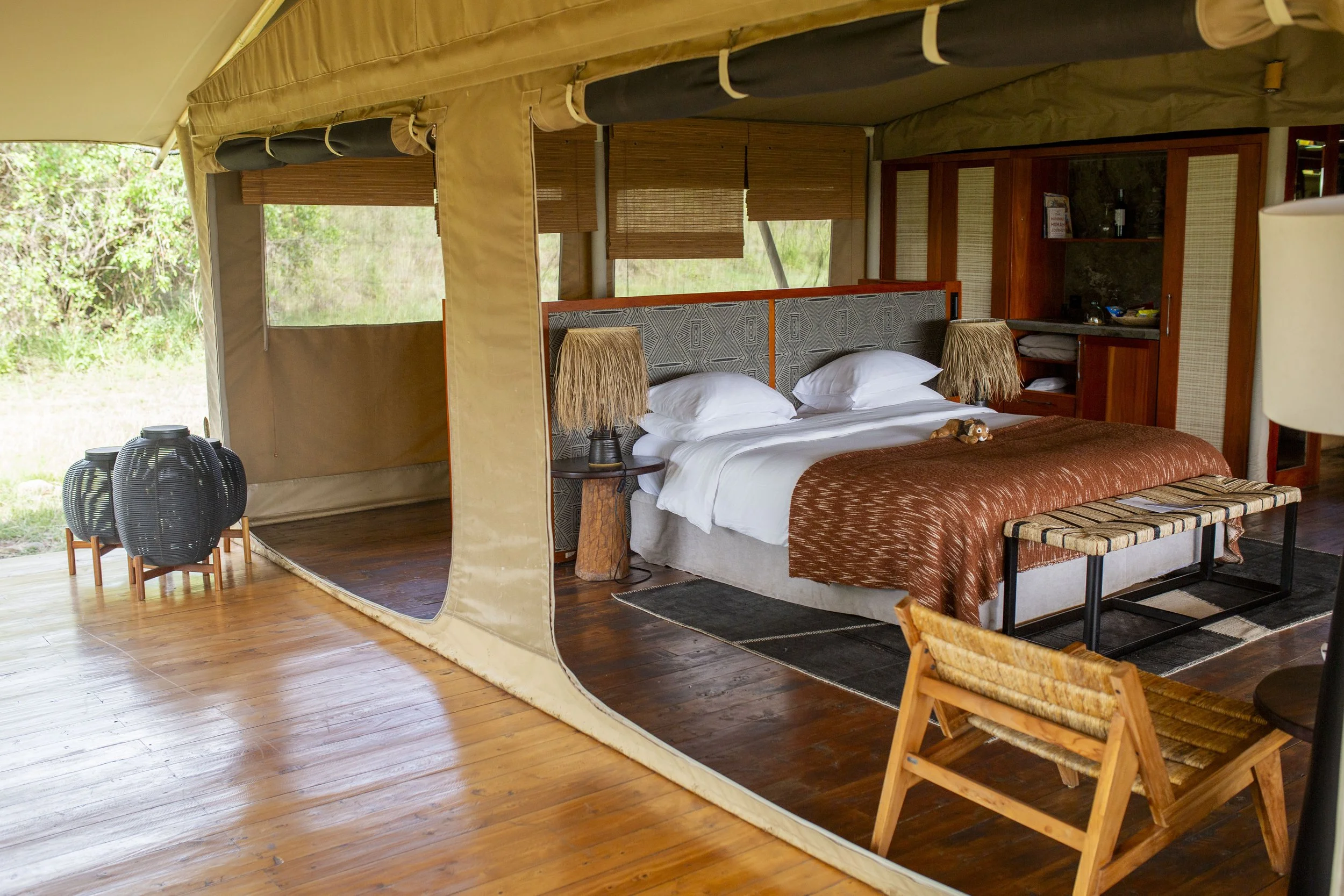
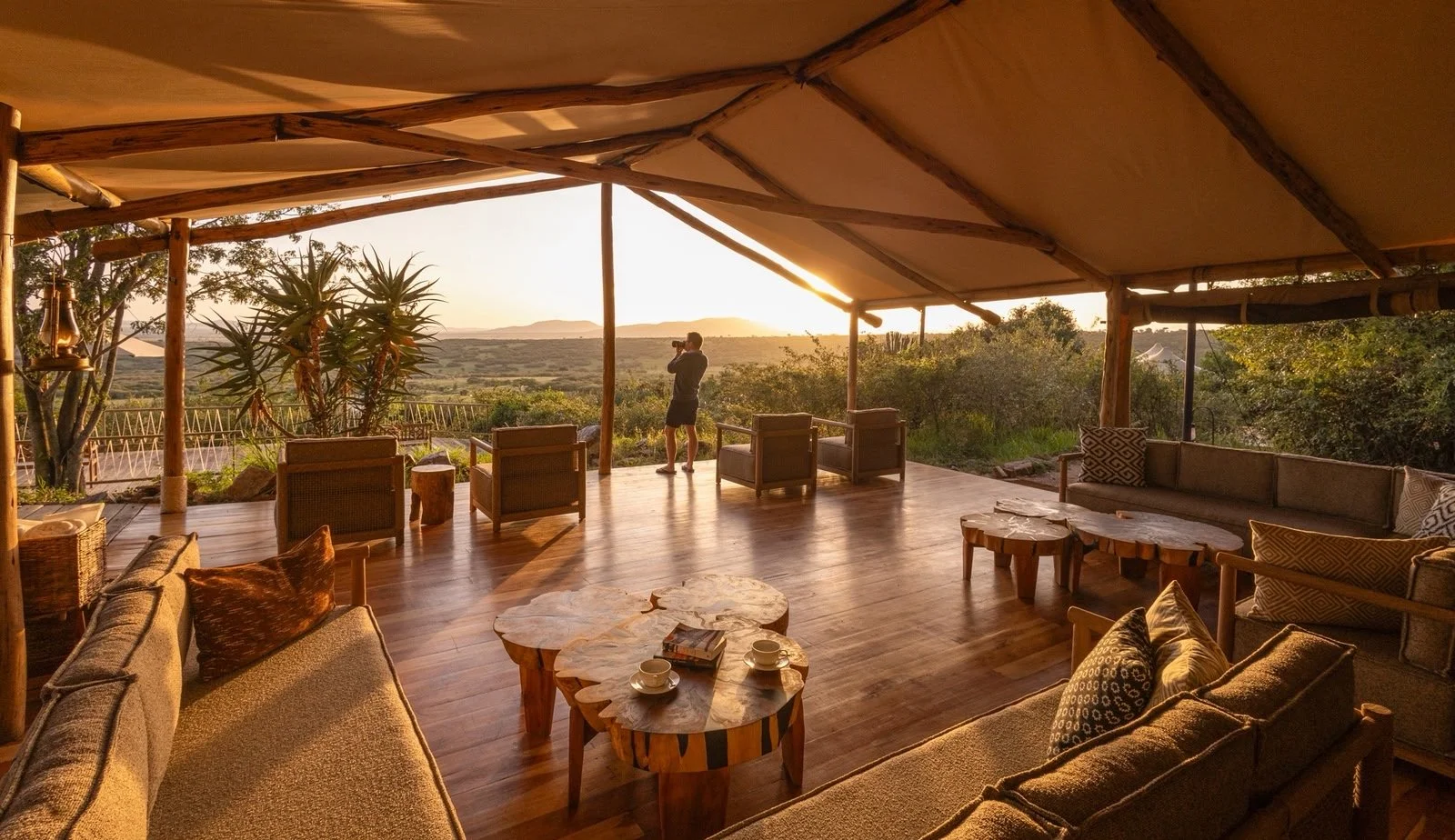
And then there was the camp itself. Photos simply don’t prepare travellers for how beautiful Serengeti Bushtops is. Serene, cleverly private thanks to lush foliage, yet connected and welcoming. Everything looked pristine, as though it had been built yesterday. Every staff member knew their role, and every detail—from personalised bag tags to thoughtful bed gifts—felt intentional. Even the vehicle seats were pre‑warmed with hot water bottles and blankets before guests climbed in.
Game drives were superb, not only for the wildlife—though lions, baby zebras, and two leopards (including one with a zebra kill in a tree) certainly delivered—but for the way they were conducted. There was no rushing, no jostling, no mayhem at the crossings. The group watched the last pocket herds attempt to cross in peace, able to see the banks, the hippos, the crocs. It felt like a private showing, a reminder that northern Serengeti is extraordinary year‑round.
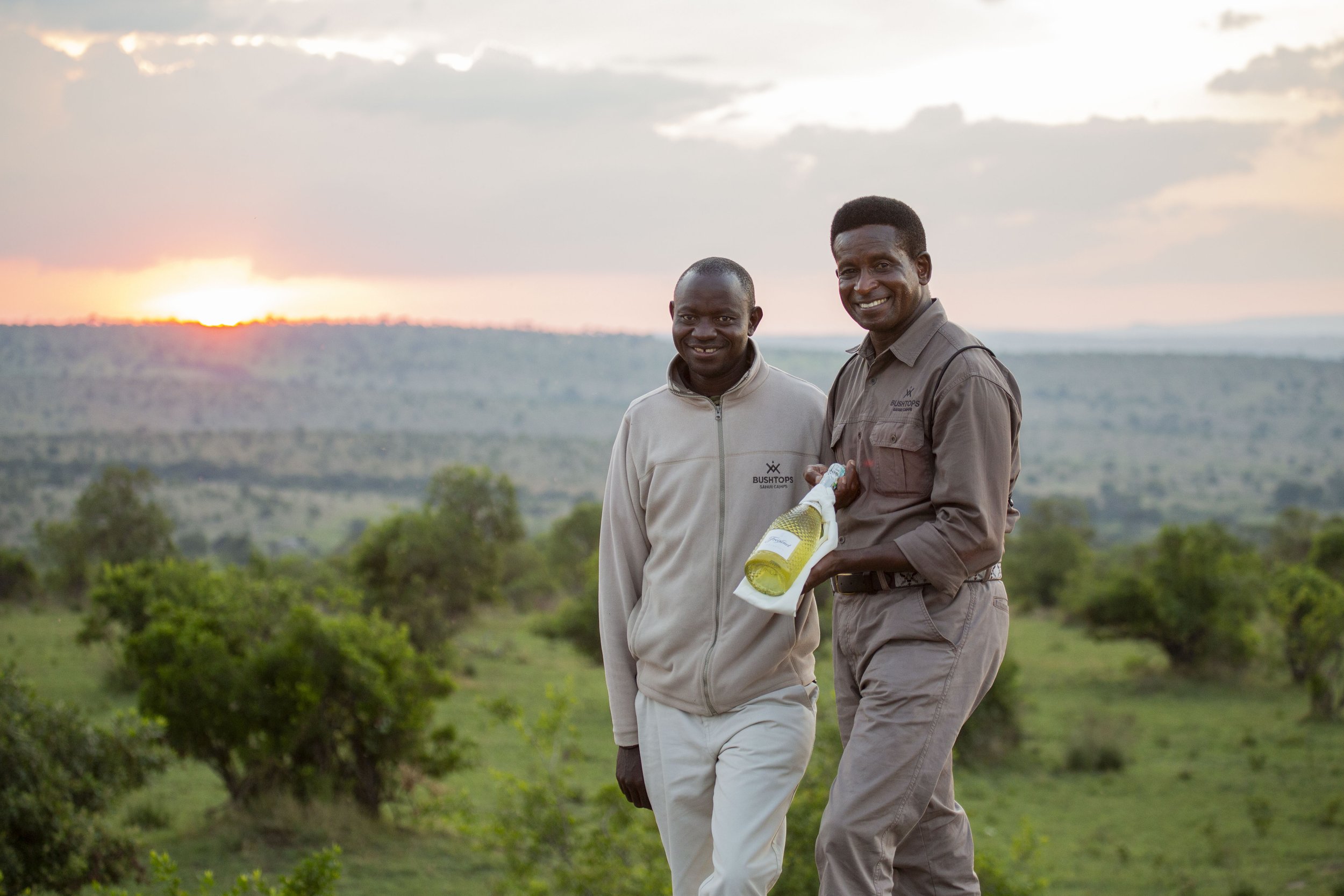
What stood out most was how Bushtops caters to everyone without compromising the experience. Families have space and activities. Couples enjoy privacy and romance. Solo travellers feel welcomed, never isolated. Groups fit comfortably without overwhelming the atmosphere. It’s rare to find a camp that genuinely suits all demographics—and rarer still to find one that does it this well.
The biggest highlight wasn’t a single moment; it was the entire Bushtops experience. The surprises came from the things the camp doesn’t advertise—the quiet touches, the humility, the way they exceed expectations without ever announcing that they will.
For trade partners, the USPs are clear: an unbeatable location, private vehicles, a guide and spotter, spacious suites with hot tubs, and 24/7 à la carte dining that defies the remoteness of the bush. But the real standout is the team. Their professionalism, warmth, and intuition elevate everything.
If Bushtops could be summed up in three words: perfection, understated luxury, personalised.
And that is exactly what makes it the pinnacle of safari experiences.