
The Leopards of Mashatu
We’ve shared the latest blog from Mashatu Game Reserve about their captivating leopards:
Find out why Mashatu is dubbed the 'Land of Leopards' - where guests regularly encounter these magnificent cats throughout the reserve, often witnessing several individuals during a single stay.
For generations, Mashatu has been known as the Land of the Giants — a vast private wilderness shaped by ancient elephant paths and home to some of Southern Africa’s most remarkable giants. But spend time here and another reputation quickly emerges.
The Land of Leopards.
Leopards are woven into the Mashatu safari experience. Guests regularly encounter these magnificent cats throughout the reserve, often seeing several individuals during a single stay. And with every sighting comes the opportunity to look a little closer — to recognise a familiar face, learn a name and begin to understand the individual behind the spots.
Because the leopards of Mashatu are not anonymous.
They have territories. Lineages. Personalities. Mothers, daughters and sons. Some are established territory holders; others are young and still finding their place. Together, their stories form a living part of the wilderness that makes Mashatu so special.
The release of the award-winning documentary Mashatu: Land of Leopards in 2025 brought this hidden world to audiences far beyond Botswana, following a leopard family over three years and revealing intimate glimpses into the lives of these extraordinary cats. The film has now added a third accolade to its growing list of recognition, receiving the Heinz Sielmann Film Award at the 2026 GREEN SCREEN Festival.
While the film introduced some of these remarkable cats to audiences around the world, there is nothing quite like encountering them here — in the wilderness they call home.
So, meet some of the leopards of Mashatu.
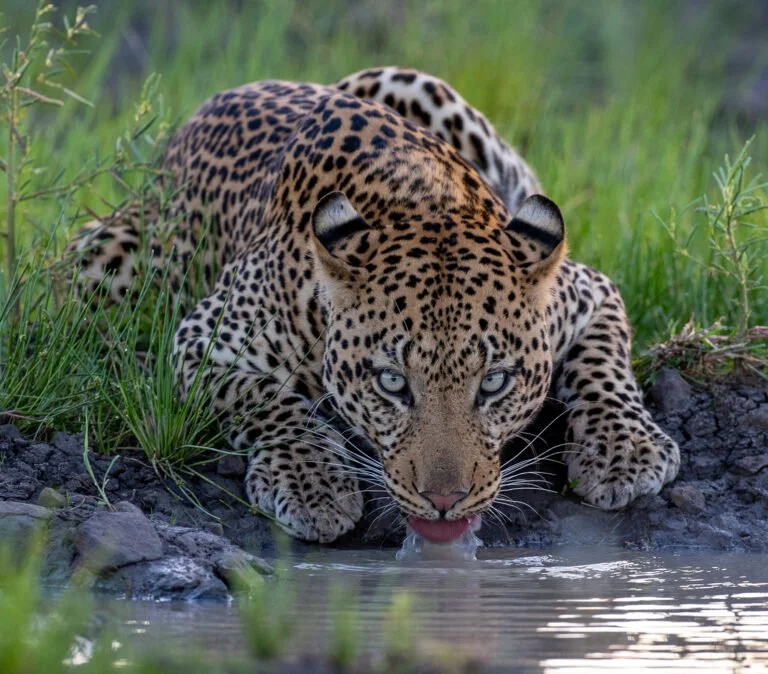
Mohoyo
Male | Meaning “Fig Tree”
Fully grown and aged 10 or more, Mohoyo is the dominant territorial male of Mashatu’s central area. His name means Fig Tree in the local language, a fitting reminder of the way the landscape itself often becomes part of a leopard’s identity.
Mohoyo was once known for being particularly shy, but these days he is far more tolerant of the vehicles that follow his movements. Still, he has retained his reputation for being somewhat unfriendly — perhaps an understandable characteristic for a male who has spent years defending his territory.
Image by Go Yamagata
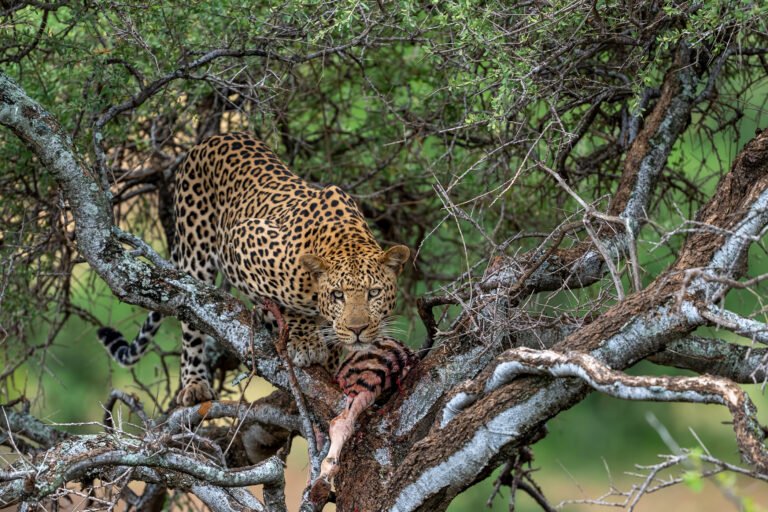
Euphorbia
“Candelabra tree”
Euphorbia, aged six years, is named after the distinctive Candelabra tree, as he was born during the time Euphorbia Mashatu lodge was built.
Today, he occupies the northern section of the reserve and is most often seen by guests staying at Tent Camp. His name is a small reminder of how deeply the leopards of Mashatu are connected to their surroundings.
Image by Gregory Piper
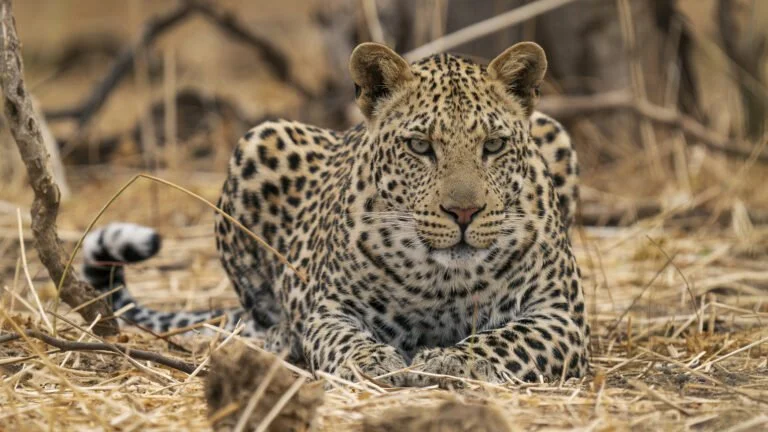
Lepako
Meaning - “Big fallen-over dead tree”
At just three and a half years old, Lepako is still finding his way. His name means big fallen-over dead tree — the place where his mother gave birth to him.
Unlike the established territorial males, Lepako is currently nomadic, moving across the reserve as he searches for a place of his own. He is still finding his feet, learning the landscape and, ultimately, trying to establish a territory he can claim as his own. His story is one of transition — a young male on the threshold of adulthood, with an entire wilderness still ahead of him.
Image by Wim Voster
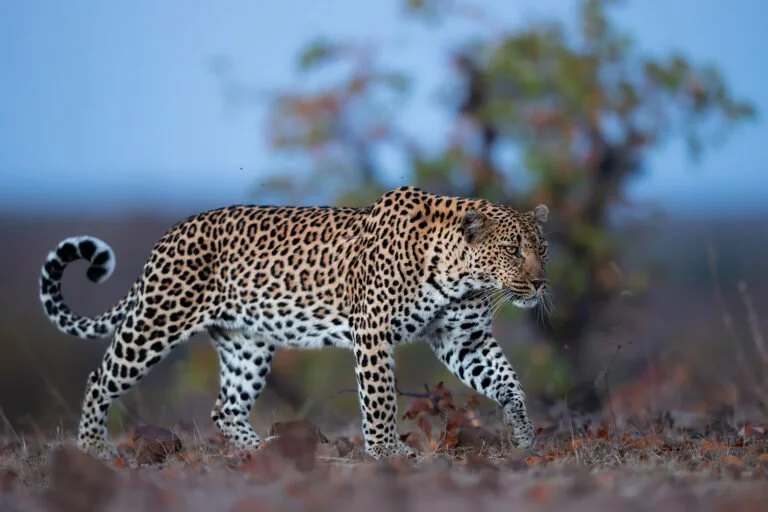
White Cliff’s Female
A legacy continued
At 13 years old, White Cliff’s female is the third generation of territorial female leopard in the White Cliff’s area.
She is also the twin sister of Motswiri.
Her story represents something larger than one individual: a lineage of territorial females continuing through the landscape, generation after generation.
Image by Penny Robartes
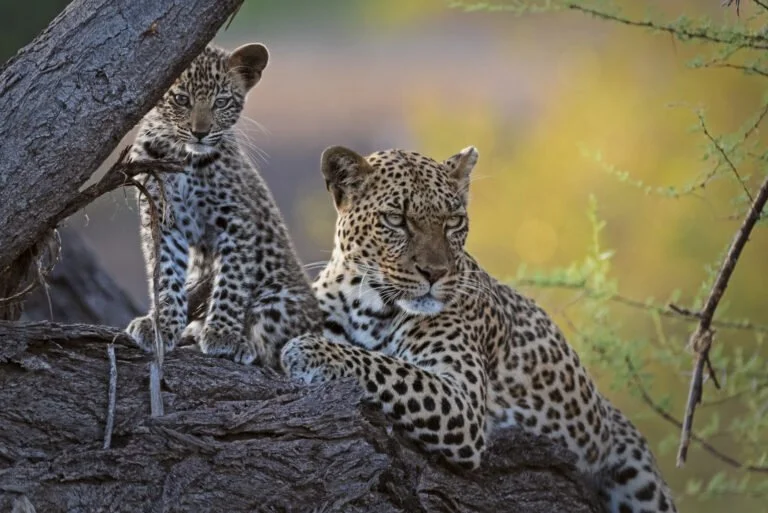
Motswiri
meaning - “Lead wood tree”
If one leopard has become synonymous with Mashatu: Land of Leopards, it is Motswiri.
Her name means Lead wood tree in Setswana, and at 13 years old, she is a seasoned female who knows her territory intimately.
Motswiri is particularly skilled at hunting impala in the wild sage — an environment where her stealth and patience give her the advantage.
She is also the twin sister of White Cliff’s female, linking two of Mashatu’s established females through the same family story.
For three years, cameras followed Motswiri and her family for the documentary Mashatu: Land of Leopards, offering an extraordinary glimpse into a world that most people would rarely, if ever, see.
Image by Wim Vorster
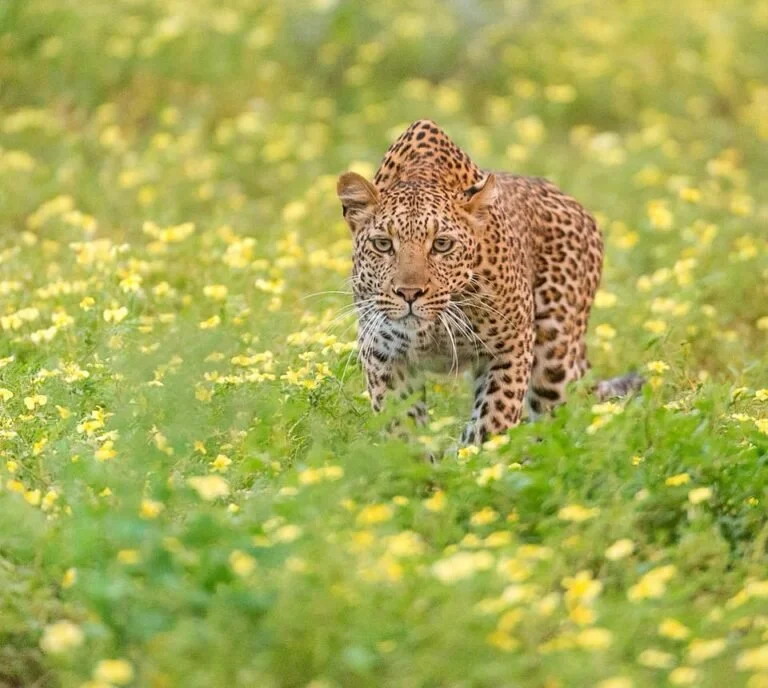
Moshoole
meaning “Fever Berry tree”
At 13 years old, Moshoole is named after the Fever Berry tree.
She is the mother of Lepako, the young nomadic male still searching for his own territory.
Their stories therefore remain connected — mother and son sharing the same landscape, while living very different chapters of their lives.
Image by Shem Compion
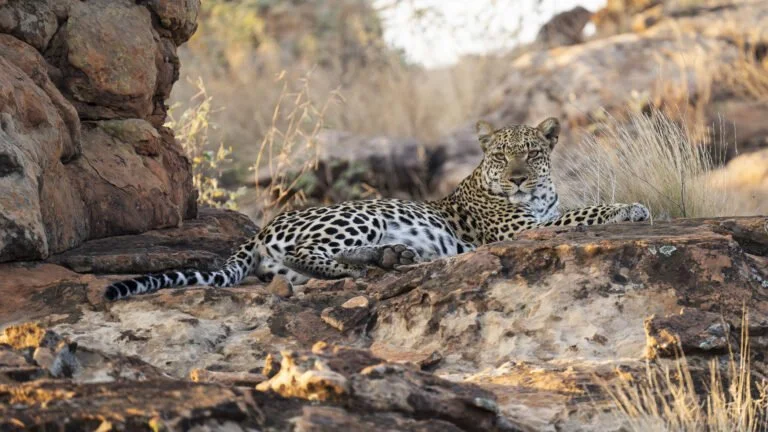
Ma-Tuli
— guardian of her territory
The age of Ma-Tuli is unknown, but her territory is well established.
She is the territory holder in and around Tuli Safari Lodge, where the landscape has become her domain.
Image by Wim Vorster
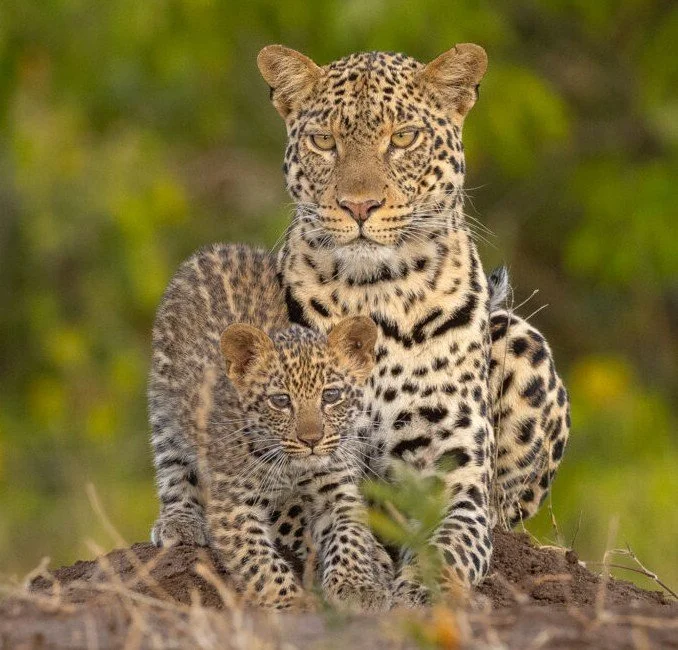
Graham’s Tree Female
A mother and daughter story
At nine years old, Graham’s Tree female takes her name from a massive Mashatu tree that serves as a landmark within her territory.
She is the daughter of the late Mathoja female and the mother of Lerato, making her another important link in the reserve’s leopard lineage.
Her story continues through her daughter, who is now beginning to establish a territory of her own.
Image by Wim Vorster
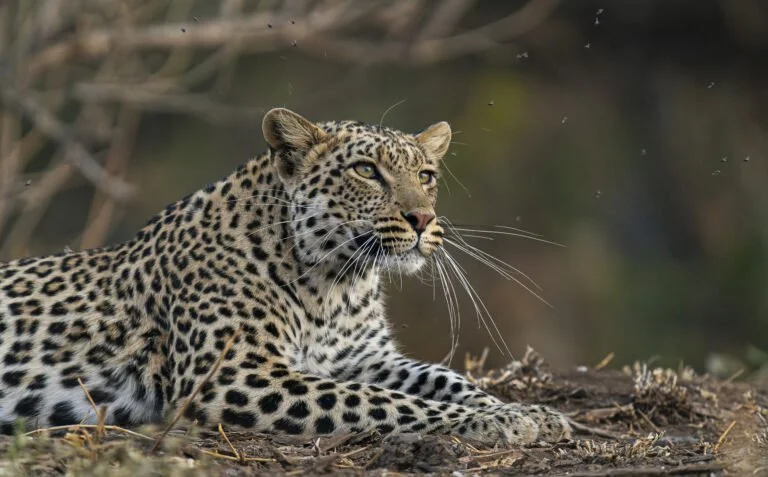
Lerato
meaning “love”
At three and a half years old, Lerato represents what comes next. Her name means Love in Setswana.
She is the daughter of Graham’s Tree female and Mohoyo male — bringing together two established bloodlines of Mashatu’s leopard population.
Still young and nomadic, Lerato is now busy establishing her own territory.
Image by Laura Dyer
A land written in leopard tracks
These are only some of the leopards that call Mashatu home.
Territories change hands. Cubs grow into adults. Young males leave their mothers in search of a place of their own. Established females pass their knowledge and bloodlines into the next generation.
This is what makes seeing a leopard at Mashatu so much more meaningful. It isn’t simply the thrill of spotting one of Africa’s most elusive big cats. It is knowing that the tracks in the sand belong to an animal with a territory, a lineage and a story. That the silhouette beneath a tree might be Mohoyo, Kanda, Motswiri or Lerato. That the leopard watching from the riverbed is an individual you may come to recognise by name.
As Botswana celebrates 60 years of independence this week, there is perhaps no better time to celebrate the conserved landscapes and remarkable wildlife that roam freely and form part of the country’s natural heritage.
We invite you to journey to Mashatu and perhaps, somewhere among the ancient trees, golden grass and rocky outcrops of the Land of the Giants, you will meet one of the cats that has made Mashatu famous as the Land of Leopards.
To begin planning the ultimate leopard safari in Botswana: